Pneumonia

Services - Illness

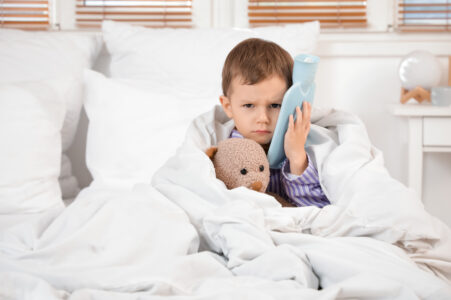
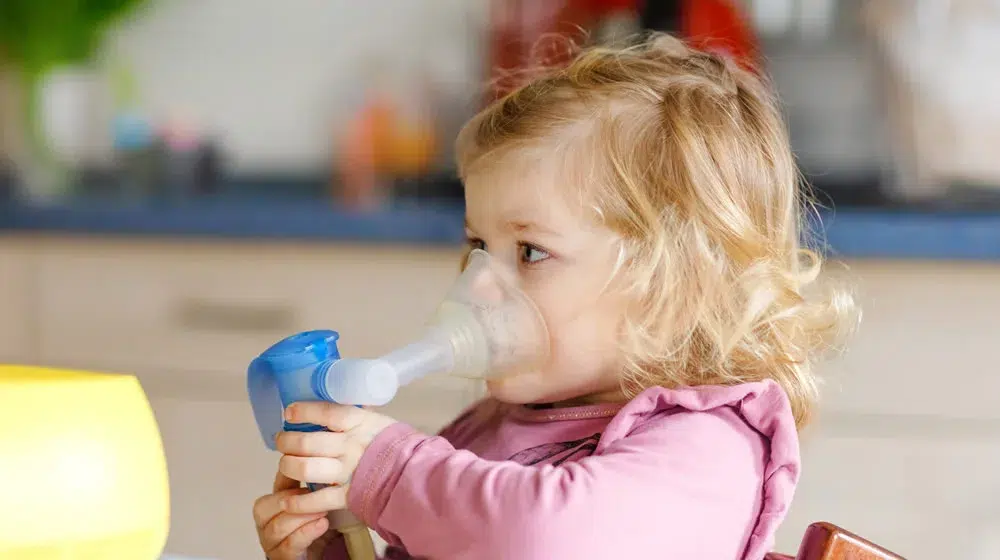
Pneumonia is an infection of the lung that causes fluid to collect in the air sacs (alveoli).

Symptoms include:

  • Labored breathing
  • Rapid breathing
  • Pulling in between the ribs with each breath (retractions) sometimes painful breathing
  • Coughing
  • Fever, sometimes with chills.

Most rattly breathing is not pneumonia. Your child needs to see a healthcare provider to check if he or she has pneumonia. Pneumonia may be caused by viruses or by bacteria.

FAQs

About Pneumonia

Call your child’s healthcare provider immediately if you notice signs that could point to pneumonia in children, such as:

  • Breathing becomes fast, labored, or difficult

  • Retractions (when the skin pulls in between or under the ribs while breathing)

  • Your child suddenly acting very sick or unusually tired

You should call within 24 hours if:

  • Your child’s fever lasts longer than 48 hours after starting antibiotics

  • Their cough continues for more than 3 weeks

  • You have other questions or concerns about their recovery

If you’re unsure whether to wait or seek help right away, our walk-in pediatrician team can evaluate your child and provide treatment for pediatric pneumonia and related symptoms.

Yes, our urgent care pediatrics team can perform a chest X-ray if the provider feels it is necessary. However, a chest X-ray is not always needed to diagnose pneumonia in children. In many cases, a provider can diagnose pediatric pneumonia by carefully listening to your child’s breathing, checking for symptoms like fever, cough, and labored breathing, and reviewing their medical history. Most of the time, a physical exam and symptom review are enough to guide safe and effective care.

Treatment for pneumonia in children depends on whether the infection is caused by bacteria or a virus.

  • Bacterial pneumonia is treated with antibiotics prescribed by a provider. Sometimes, if it’s uncertain whether pneumonia is viral or bacterial, your child’s provider may still start antibiotics to be safe.

  • Viral pneumonia does not improve with antibiotics. Instead, treatment focuses on rest, fluids, and comfort care.

For symptom relief, fever and chest pain can usually be managed with acetaminophen (Tylenol) or ibuprofen (Advil). Coughing spasms are often caused by thick secretions in the throat, and warm liquids like lemonade, apple juice, or herbal tea can help loosen the mucus and relax the airway. It’s very important to keep your child well-hydrated to support the healing process and helps the lungs recover.

Most children recover fully from pneumonia without any long-term problems, especially when it is treated promptly. However, in some cases, pediatric pneumonia can cause lasting effects. Children who have repeated episodes of pneumonia, or who already have conditions like asthma or weakened immune systems, may be at higher risk for chronic lung issues or breathing difficulties later in life.

Our walk-in pediatricians at Little Spurs Pediatric Urgent Care can help with ongoing monitoring and checkups if you’re concerned about lingering cough, wheezing, or shortness of breath after recovery.

Things To Know!

Related Articles


© 2025 Little Spurs Pediatric Urgent Care. All Rights Reserved. Photos of people are actors and not actual patients. San Antonio Website Design & Development - Backyard Studios